Seeing the past
  • Home
  • About Us
  • Ancient Egyptian, Greek and Assyrian Cultures Pre-Historic Medieval Blog ROMAN The Tudors World War Two
  • Devon & Cornwall East Anglia London Midlands North East England North Wales South East England Wessex Berkshire, Oxfordshire et al
  • Index
  • Contact
  • Search

Seeing the past

  • Home/
  • About Us/
  • Time Periods/
    • Ancient Egyptian, Greek and Assyrian Cultures
    • Pre-Historic
    • Medieval
    • Blog
    • ROMAN
    • The Tudors
    • World War Two
  • Locations/
    • Devon & Cornwall
    • East Anglia
    • London
    • Midlands
    • North East England
    • North Wales
    • South East England
    • Wessex
    • Berkshire, Oxfordshire et al
  • Index/
  • Contact/
  • Search/
Ancinet Egyptian2.jpg

Seeing the past

Ancient Egyptian, Greek and Assyrian Cultures

Seeing the past

  • Home/
  • About Us/
  • Time Periods/
    • Ancient Egyptian, Greek and Assyrian Cultures
    • Pre-Historic
    • Medieval
    • Blog
    • ROMAN
    • The Tudors
    • World War Two
  • Locations/
    • Devon & Cornwall
    • East Anglia
    • London
    • Midlands
    • North East England
    • North Wales
    • South East England
    • Wessex
    • Berkshire, Oxfordshire et al
  • Index/
  • Contact/
  • Search/

Do I have to go to Egypt, Greece and Rome to discover ancient civilisations? No!

If ancient civilisations are your thing, then British Museum, Great Russell street,is the jewel in London’s crown. This is an amazing collection of historical objects dating from the prehistoric times onwards. You will see a preserved Iron Age Body, a collection of Egyptian mummies both human and anima, as well as Anglo-Saxon treasure. You will be stunned by objects from civilisations that you have not come across before and by the detailed craftsmanship and artwork.
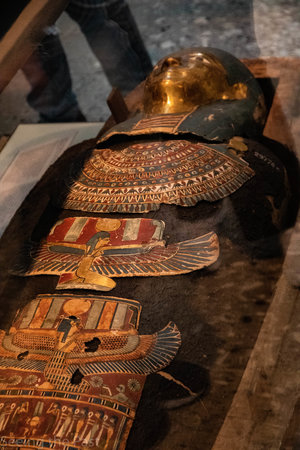
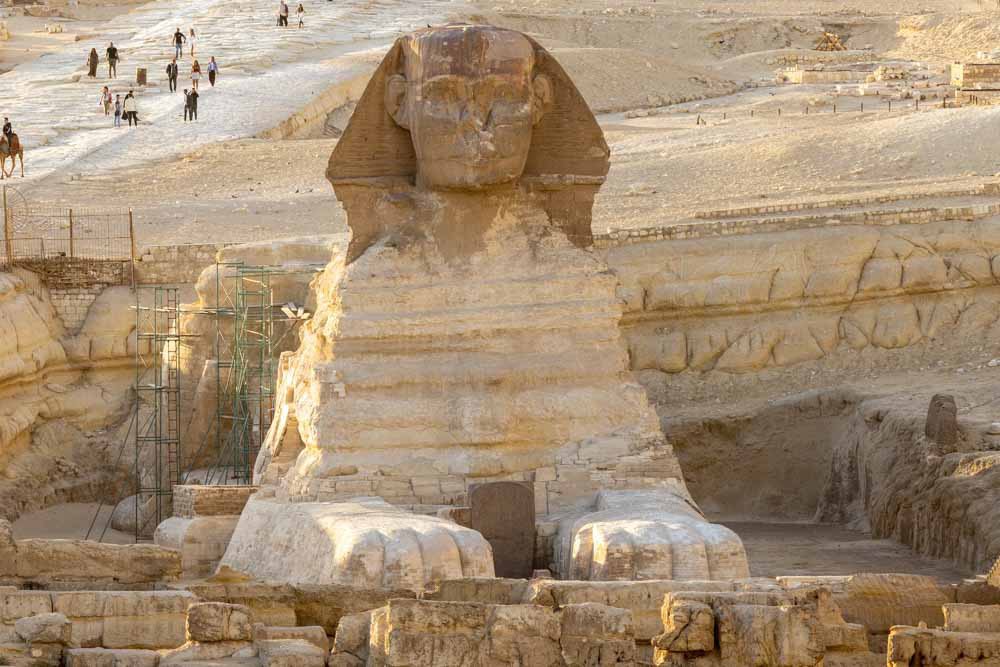
image.png
Featured
Deir El2.jpg
Deir el-Bahari; the stunning mortuary temple of the female pharaoh of Ancient Egypt, Hatshepsut, who was erased from history.

Your first view of Hatshepsut’s mortuary temple at Deer el-Bahari will leave you stunned. What an amazing place with some people believing that this is the most beautiful of all the Egyptian temples. Hatshepsut, was to become a royal princess, the “Great Royal Wife”, Queen of Egypt, Queen Regent of Egypt and finally, Pharaoh in her own right, despite not being male. She was to wear the royal kilt of a pharaoh, the crowns of Upper and Lower Egypt, as well as a false beard just like all other Pharaohs. Many egyptologists believe that she was an astute and wise leader who had the ability to choose good advisers. To leave her mark, she did not only build her mortuary temple, she also erected 4 obelisks at the Karnak temple in Luxor. The red granite obelisks weighed up to 250 000 tons and had to use 27 boats to move them from Aswan in the south.

Read more →
Sphinx B.jpg
The Great Sphinx; built by Djedefre or Khafre? Plus intrigue, murder, mystery and more pyramids.

The Great Sphinx, was it built by Djedefre or Khafre. Could it be a story of intrigue, murder, mystery and more? When one thinks of famous historical monuments to visit in the world, the Sphinx will always near the top of the list, especially when a visit to the Sphinx will take in the stunning pyramids nearby. At 245 feet long (75.5 metres) and 65 feet tall (20metres) it is a very large statue although it is somewhat belittled by the pyramids behind it. Who built the tallest pyramid? Khafre’s pyramid at first sight looks taller than Khufu’s Great Pyramid but this is an optical illusion, mainly because it was built on higher land.

Read more →
0K3A9884-Edit.jpg
The Great Pyramid should be on your "bucket list" but why not go now?

The Great Pyramid should be on your "bucket list" but why not see it now? Great Pyramid, is the first and only existing one of the “Seven Wonders of the Ancient World”. It was originally 481 feet tall but now is only 451 ft due to losing its top 30feet. It was built by Pharaoh Khufu known as Cheops by the Greeks, who was the second king of the 4th dynasty, ruling from 2589-2566 BC. It was built to be Khufu’s monumental tomb and his vehicle to the afterlife but when his sarcophagus was opened it was empty. It was yet another robbed burial place.Oddly, when you see it next to his son, Khafre’s pyramid, it looks smaller but this is due to Khafre’s being built on a higher part of the plateau. Possibly, out of deference to his father, Khafre’s is smaller. Khufu’s pyramid was the highest building on the planet for the next 4000 years!

Read more →
Red  and bent pyramids.jpg
Sneferu, the greatest ever pyramid builder.

Pharaoh Sneferu, is seen by many as the greatest ever pyramid builder. He ruled Egypt from 2613-2589 and was the first pharaoh of the fourth dynasty. He went down in history as the man who built 3 pyramids, the “Medium Pyramid”, the “Bent Pyramid” and the “Red Pyramid”. Unfortunately, the first two presented Sneferu and Neferma’at, his eldest son, vizier and architect, with big problems but to their credit, they had a third attempt and constructed the Red Pyramid. This was the first “true pyramid” with straight sides and a square base. When people refer to a pyramid, this is what is envisaged.

Read more →
Stepped P plus court 2222.jpg
Pharaoh Djoser and the world's first pyramid at Saqqara.

The amazing stepped pyramid is a major turning point in Egyptian and arguably, world history. It is a turning point because it led to one hundred pyramids being built in Egypt and it is the first monumental stone building in the world. To build pyramids, required a huge workforce and an economic system to support the construction, the builders and to finance it all. When completed, it would have been stunning close up and being 60 m high, it could be seen for miles around and therefore, leave a lasting impression that this was a monument built for an awesome king. Today, when one thinks of Egypt, one thinks of pyramids and this was the first. Before it, pharaohs were buried in the ground and later on, in “mastabas”, small, low level, mud brick constructions, that lacked conveying any form of status. From now on pyramids were to be seen, not as a pharaoh’s last resting place but as a popular TV programme has put it, a resurrection machine.
Read more →
Tut mummy 2.jpg
Discover the story of Tutankhamen through objects, tomb paintings, hieroglyphs and treasure, from four different locations.

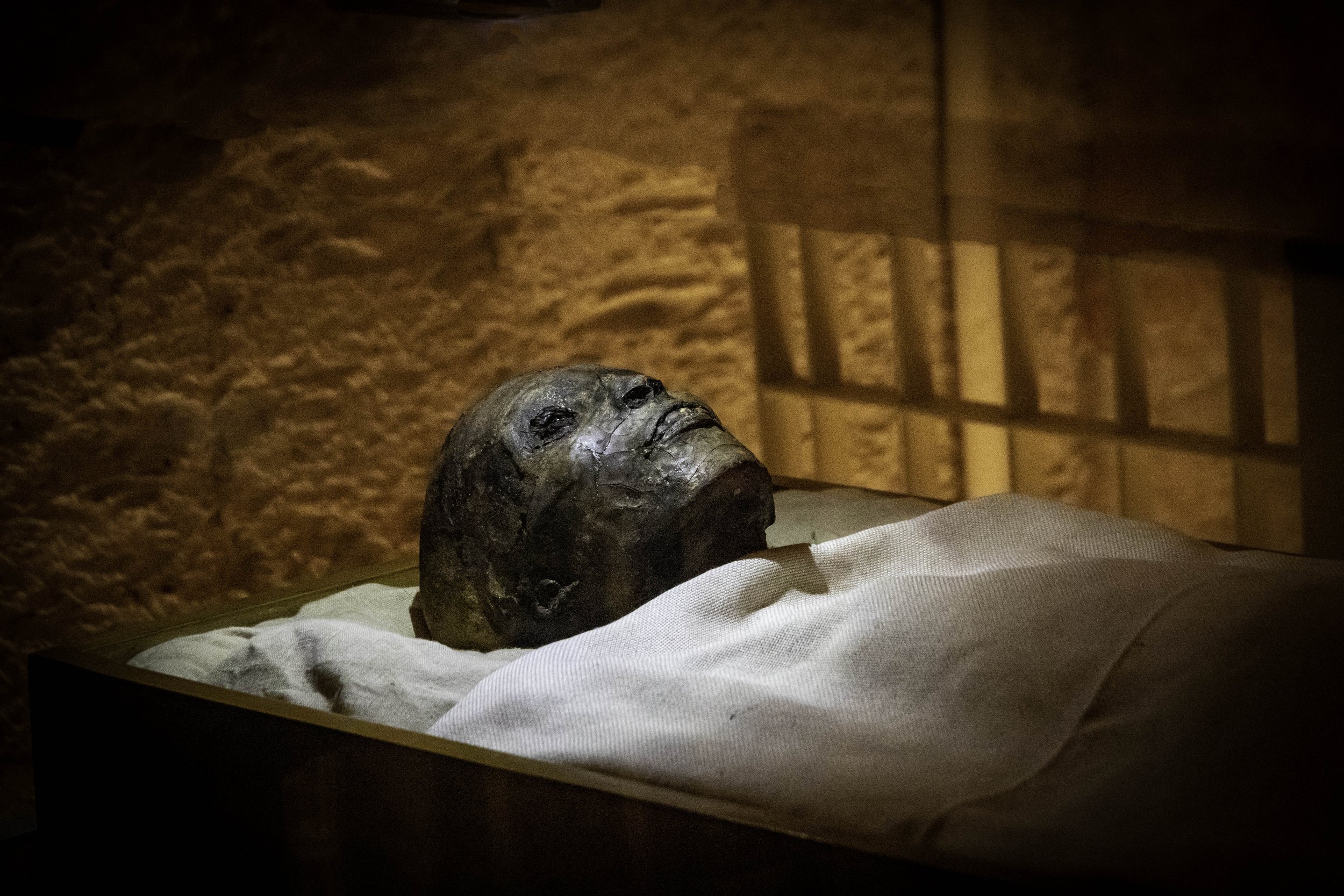
In this post, you will see photos from Tutankhamen’s tomb in the Valley of the Kings, an exact replica of his tomb at Howard Carter’s house, the tomb of Ay (also in in the Valley of the Kings), the next pharaoh who is believed to occupy the tomb that was meant for Tutankhamen and from the Cairo Museum, soon to be moved to the new and amazing, Grand Egyptian Museum at Giza. You will read about his tomb, his artefacts, his mummy and his brief life. The last section of the post will give you essential information to make your visit trouble free, comfortable and as awesome as possible.
Read more →
Rameses II.jpg
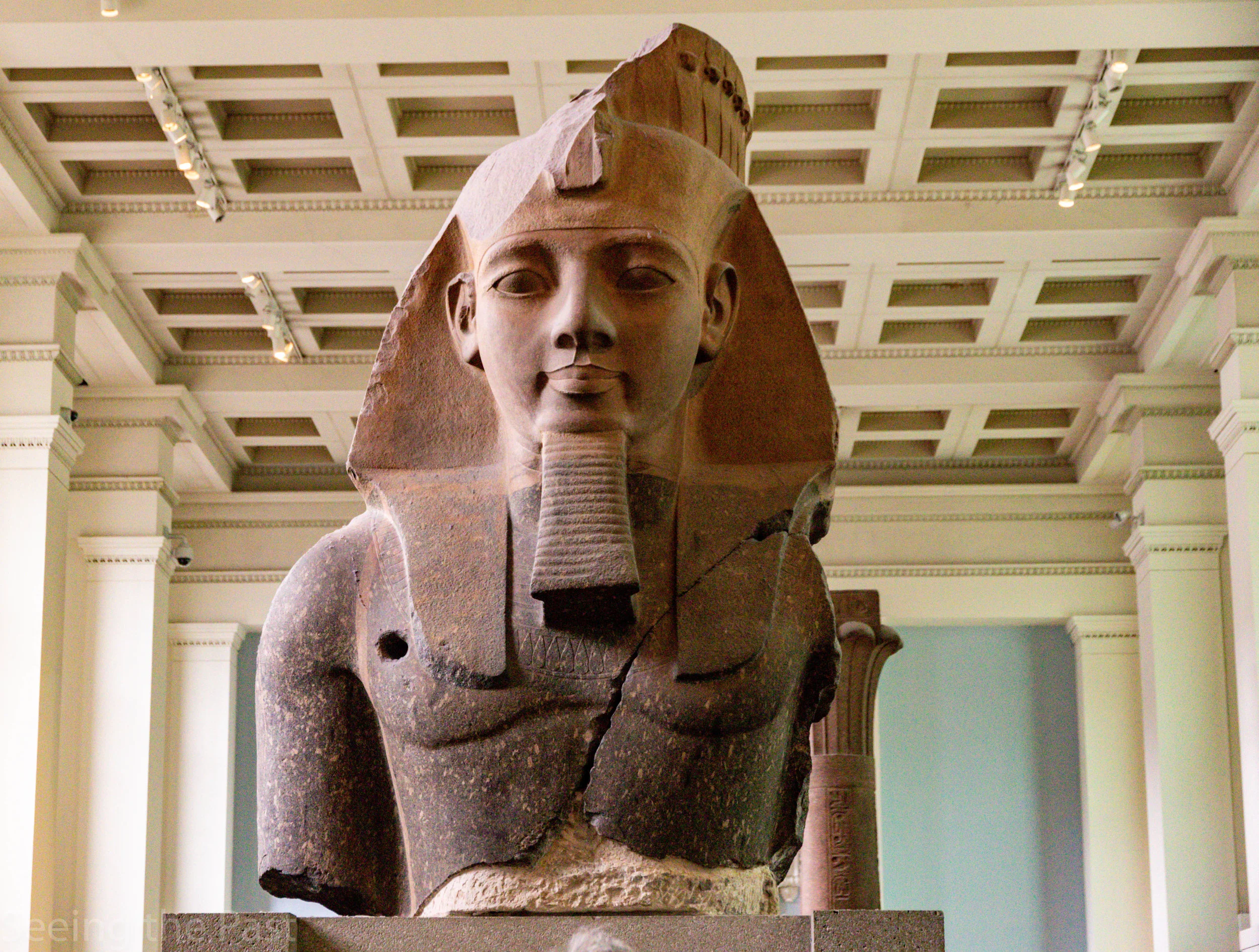
Rameses II - one of the stars of the British Museum

Why you should go to see Rameses II at the British Museum. A concise account of key details on Rameses II, considered the greatest pharaoh of them all. Seeing key sculptures of Rameses II at the British Museum.

Read more →
Why the British Museum should be on everyone's itinerary
Read more →


  • Home/
  • About Us/
  • Time Periods/
    • Ancient Egyptian, Greek and Assyrian Cultures
    • Pre-Historic
    • Medieval
    • Blog
    • ROMAN
    • The Tudors
    • World War Two
  • Locations/
    • Devon & Cornwall
    • East Anglia
    • London
    • Midlands
    • North East England
    • North Wales
    • South East England
    • Wessex
    • Berkshire, Oxfordshire et al
  • Index/
  • Contact/
  • Search/

Seeing the past

Meet us

Meet us - Seeing the Past

We are John and Loretta - two teachers who have spent a lifetime visiting historical places in the UK and abroad on holidays, school trips and any time we’ve had spare.

Seeing the Past was created to bring to life the stories behind historic buildings and events.


Our latest articles

Featured
St Michael.jpg
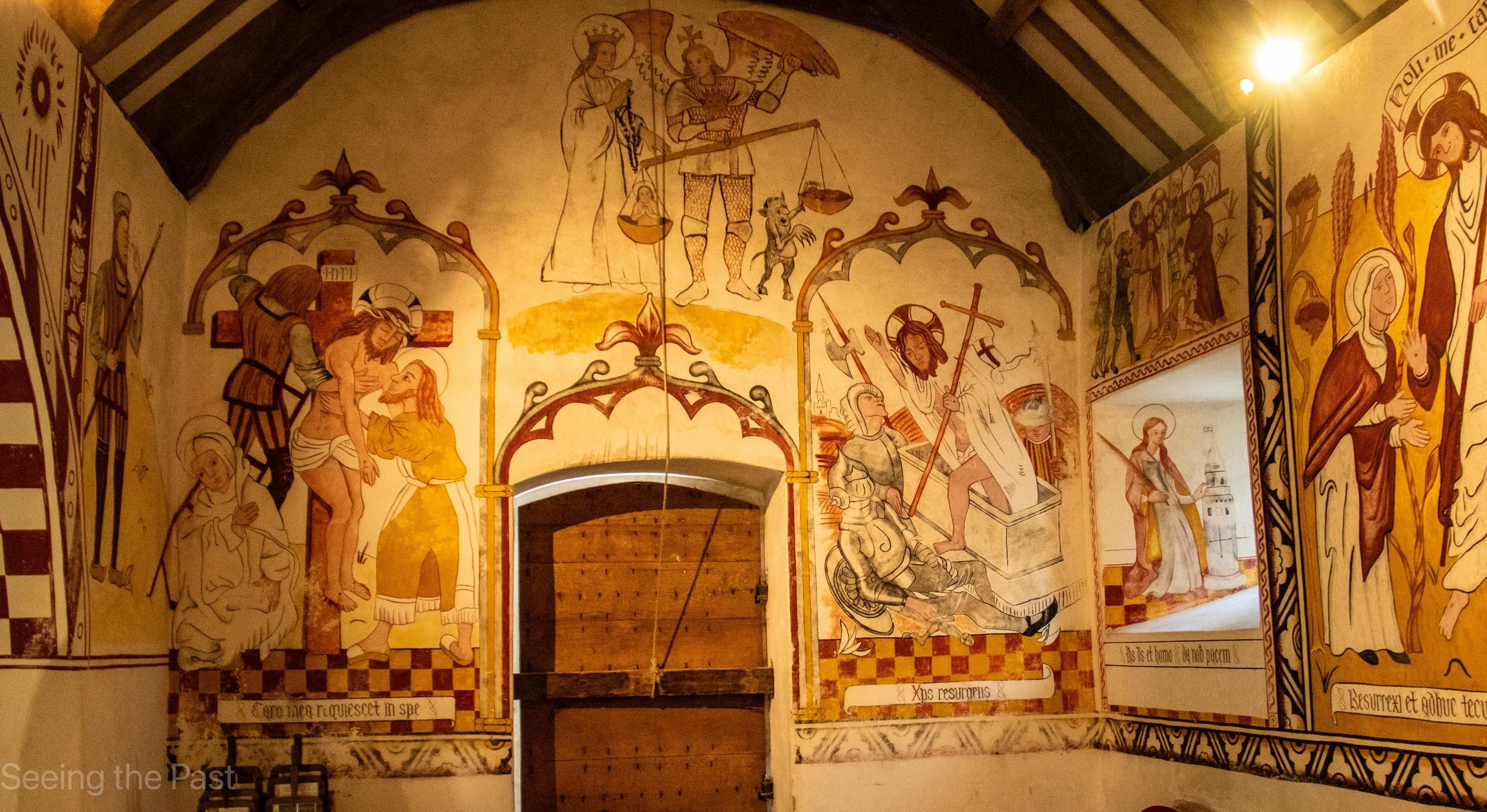
A Painted Past: Discovering the Masterpieces Inside St Teilo’s Church including an amazing "Doom Painting".

St Teilo’s Church, now lovingly re-erected within the open-air precinct of St Fagan’s Museum of Welsh Life, is a remarkable testament to Wales’s medieval and 16th century heritage. Originally constructed in the early 16th century, this humble parish church was painstakingly dismantled, transported, and restored to its former glory — not least its dazzling wall paintings, which have been carefully recreated with scholarly precision. These vivid murals, brought back to life through meticulous craftsmanship, offer visitors a rare window into the devotional art and storytelling of the late medieval period. Stepping inside St Teilo’s, you’re transported back half a millennium, immersed in a world where faith, community, and artistic expression converged on plastered walls that still speak with vibrant colour and enduring power.

Read more →
Monument.jpg
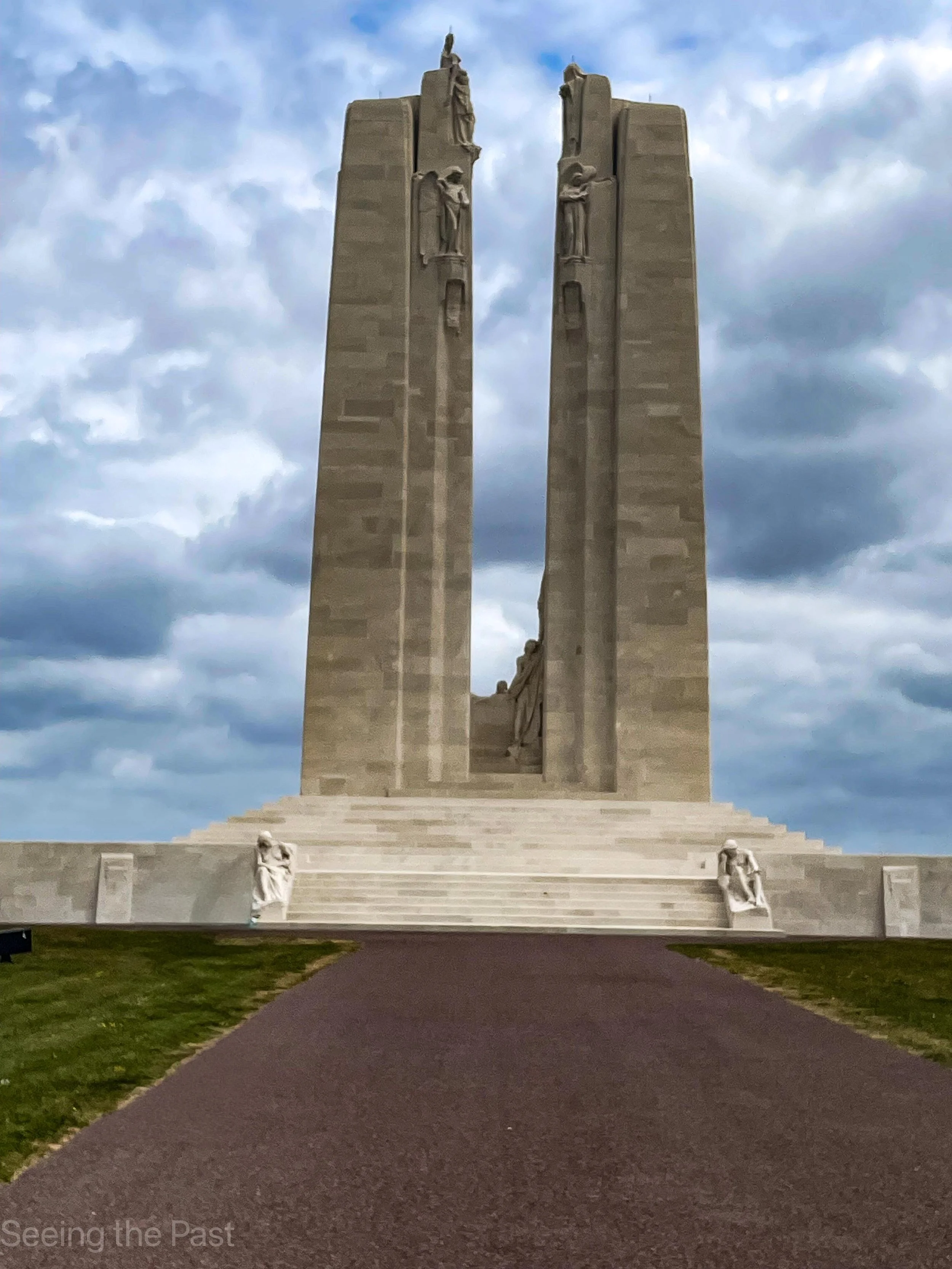
Understanding Sacrifice: An Educational Experience at Vimy Ridge

Stepping onto the grounds of Vimy Ridge is to step directly into one of the most defining moments in Canadian military history. As we walked through the remarkably preserved trenches, wandering past numerous bomb craters and stood beneath the soaring limestone pillars of the Canadian National Vimy Memorial, the story of the 1917 battle came vividly to life. It was here, during the First World War, that the four divisions of the Canadian Corps fought together for the first time and achieved a hard-won victory against formidable German defences—a success earned through meticulous planning, innovation, and immense sacrifice. So many craters can only be explained by massive artillery bombardments from both sides and what readily can be described as “Hell on earth”.

Read more →
Me morial.jpg
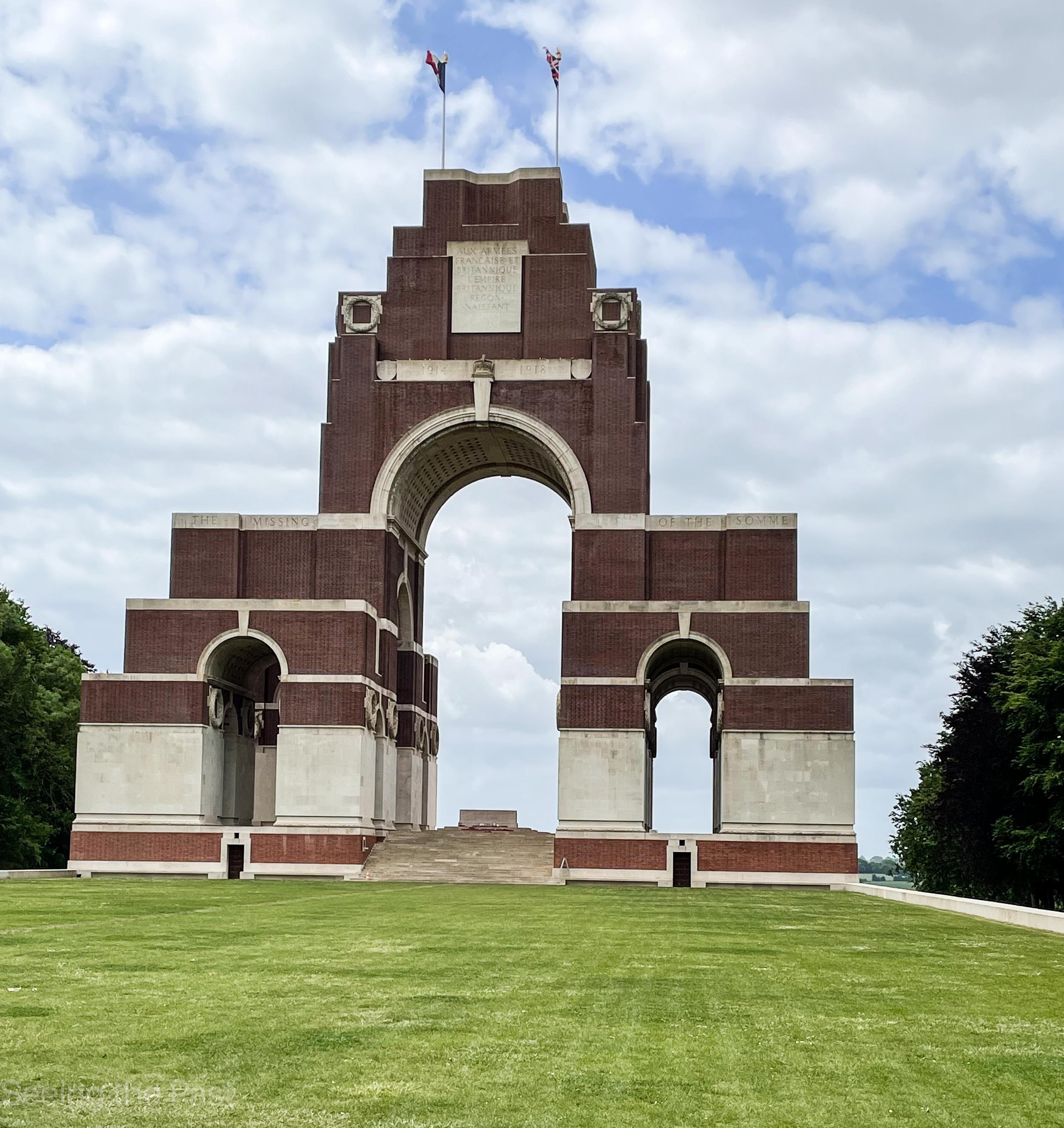
Carved in Memory: Discovering the Thiepval Memorial to the Missing

Rising from the quiet countryside of the Somme, the Thiepval Memorial stands as one of the most powerful reminders of the First World War. Built to honour more than 72,000 British and South African soldiers who died in the Battle of the Somme and have no known grave. Designed by Sir Edwin Lutyens, the memorial is not just a monument of stone, but a symbol of absence, loss, and remembrance. Its vast arches and engraved names speak for those whose bodies were never recovered, giving them a place in history and in memory.

Read more →
IMG_5415.jpeg
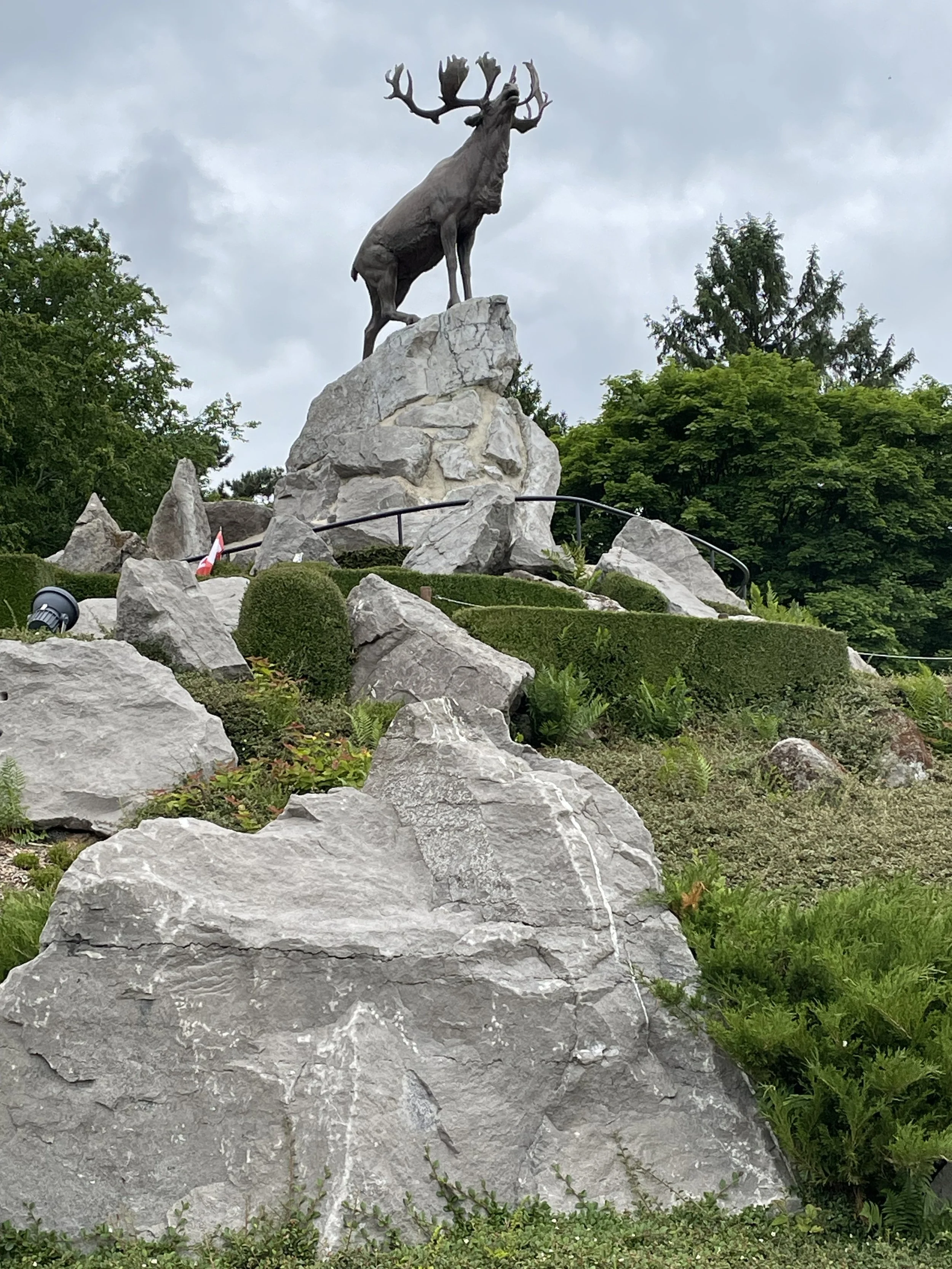
Walking the Scars of the Somme: A Visit to the Preserved Trenches of Beaumont-Hamel where ninety percent of the Newfoundland Regiment were casualties on day one of the Battle of the Somme.

The Battle of the Somme has become known as one of the bloodiest battles in history with 57, 000 British and Empire soldiers being casualties, some within minutes of “going over the top”. This blog tells the story off what happened and what to look out for when visiting Newfoundland Park, the biggest preserved area of the Somme battlefield. Situated above the rolling fields of northern France, the Newfoundland Memorial Park invites visitors to step into a place of quiet remembrance and lasting meaning. It was here that the Battle of the Somme began on July 1st, 1916, marking a defining and tragic moment in history. Walking the preserved trenches and grounds offers a powerful opportunity to reflect on courage, sacrifice, and the enduring impact of those who served. If you can organise a trip in the summer months, a member of the “Student Guide Program”, from Canada will take you to the key features and enrich your tour.

Read more →
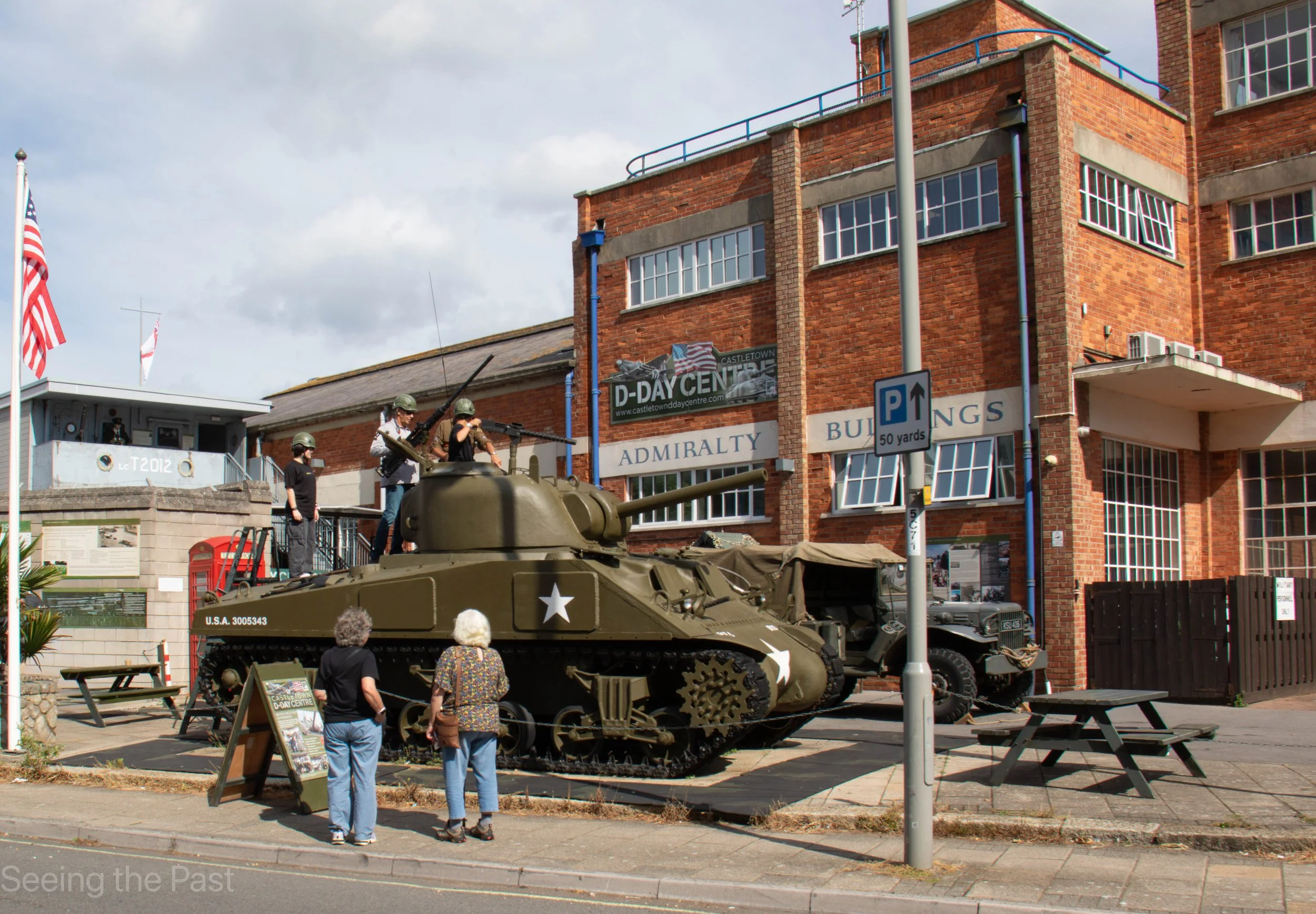
Bucklers Hard 1.jpg
Buckler's Hard: Where some of Nelson's navy was built and a chance to explore a preserved Georgian village.

Buckler’s Hard has three historical phases; a proposed sugar town that failed, a shipbuilding yard initially providing ships for the Royal navy and a base for various things linked to World War Two but especially D Day. Walking from the car park you suddenly come across this beautiful, unmodernised, Georgian street. One side of the road contains an amazing museum of all the activities that have taken place over the last 300 years. It includes some intricate models of sailing ship building here, loads of artefacts and full size waxwork models illustrating life in the late 18th and early 19th centuries.

Read more →
IMG_5203 2.jpeg
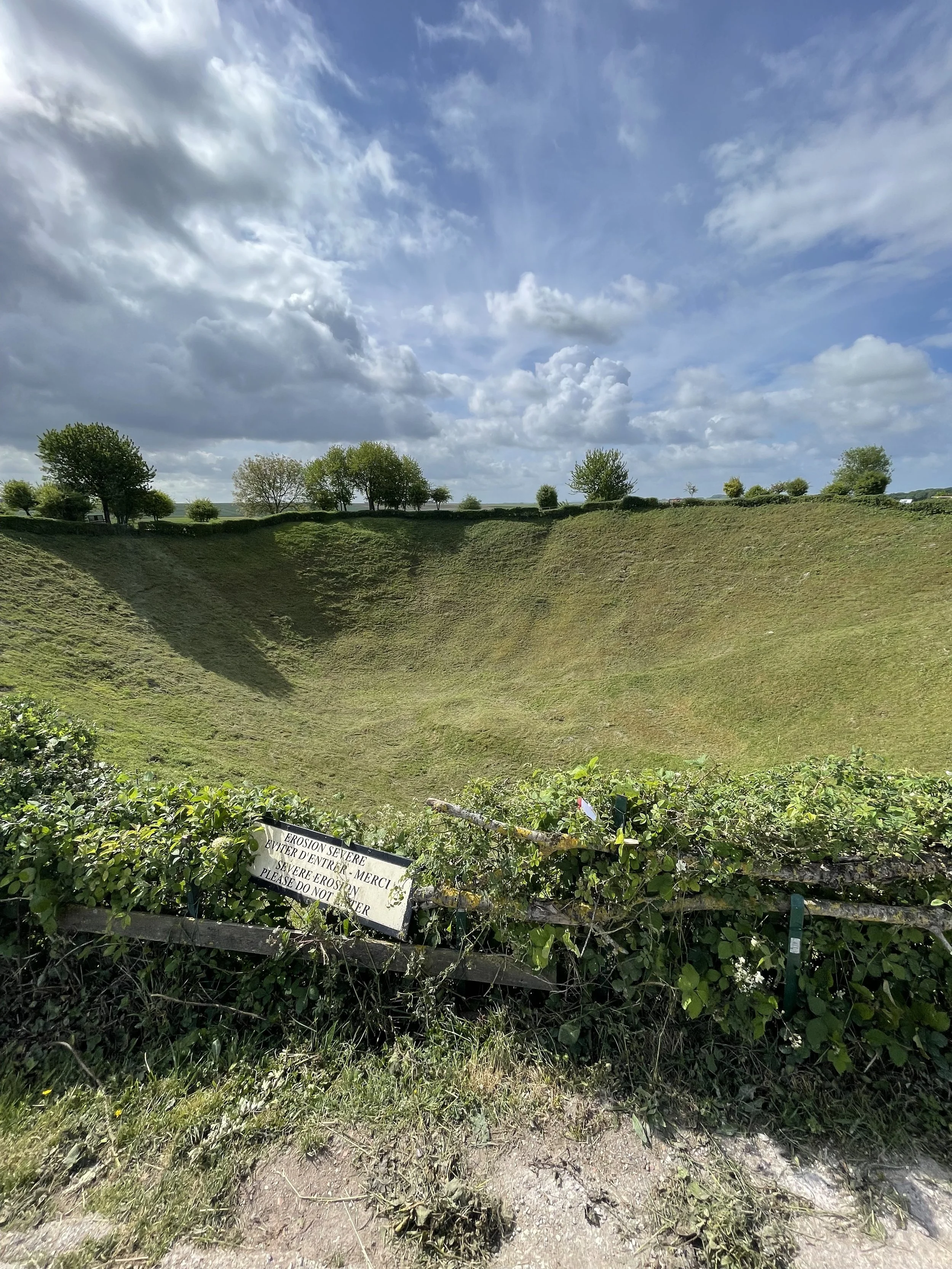
WW1 series. Where the Great War shook the Earth; the story of the Lochnagar Crater.

Some historians of World War One have stated that any tour of the Battle of the Somme area should start with the Lochnagar Crater. It is a massive crater one hundred metres (328 feet) in diameter and 30 metres (98 feet) deep. Why on earth was it made or rather, how on earth was it made? The Lochnagar Crater was created by the British, when two batches of explosive, 16 metres deep and 20 metres apart, went up at 7.28 am on July 1st. It was hoped that loads of the enemy near La Boiselle, would be killed and others would be stunned and not know what was going on. This, along with another eighteen mines, was the signal for men to “go over the top”, ie get out of their trench, make their way through the already cut barbed wire protection and then run at the enemy.

Read more →
Gatehouse other end.jpg
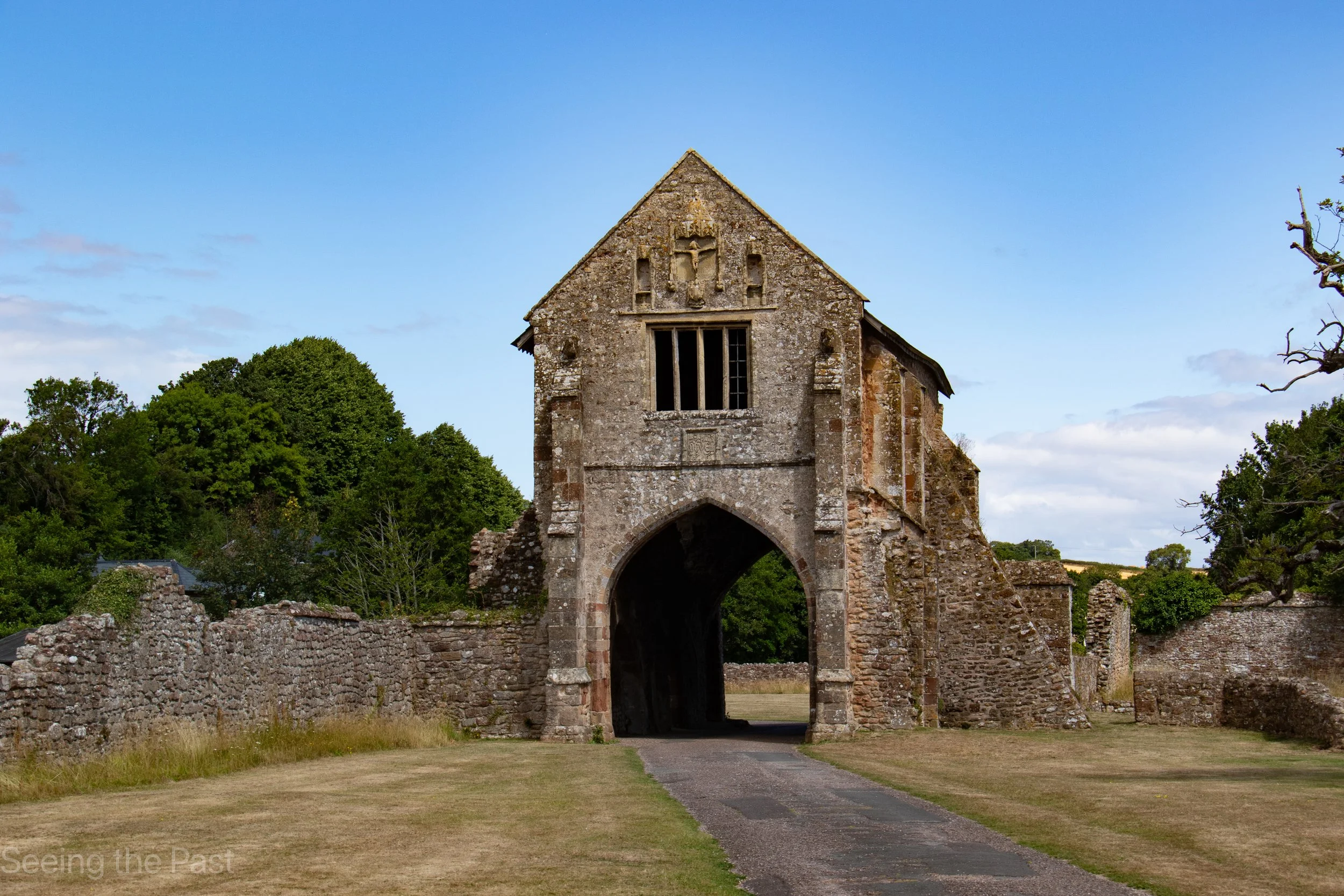
Cleeve Abbey, one of the best preserved medieval abbeys in England with an excellent display of medieval tiles.

Cleeve Abbey in Somerset is one of the best preserved monasteries in England. It has an amazing collection of medieval tiles and several of its buildings have impressive roofs, keeping the interiors dry. Walking around this tranquil abbey on a summer’s day gives an understanding as to the Cistercian monks choice of location. Beginning with the superb gatehouse, there are lots of rooms to explore especially the refectory where the monks ate and the dormitory where they slept. The questions what function did monasteries have in the medieval world and why were they closed are answered as well a brief introduction to medieval religious beliefs.

Read more →
Recon 2.jpg
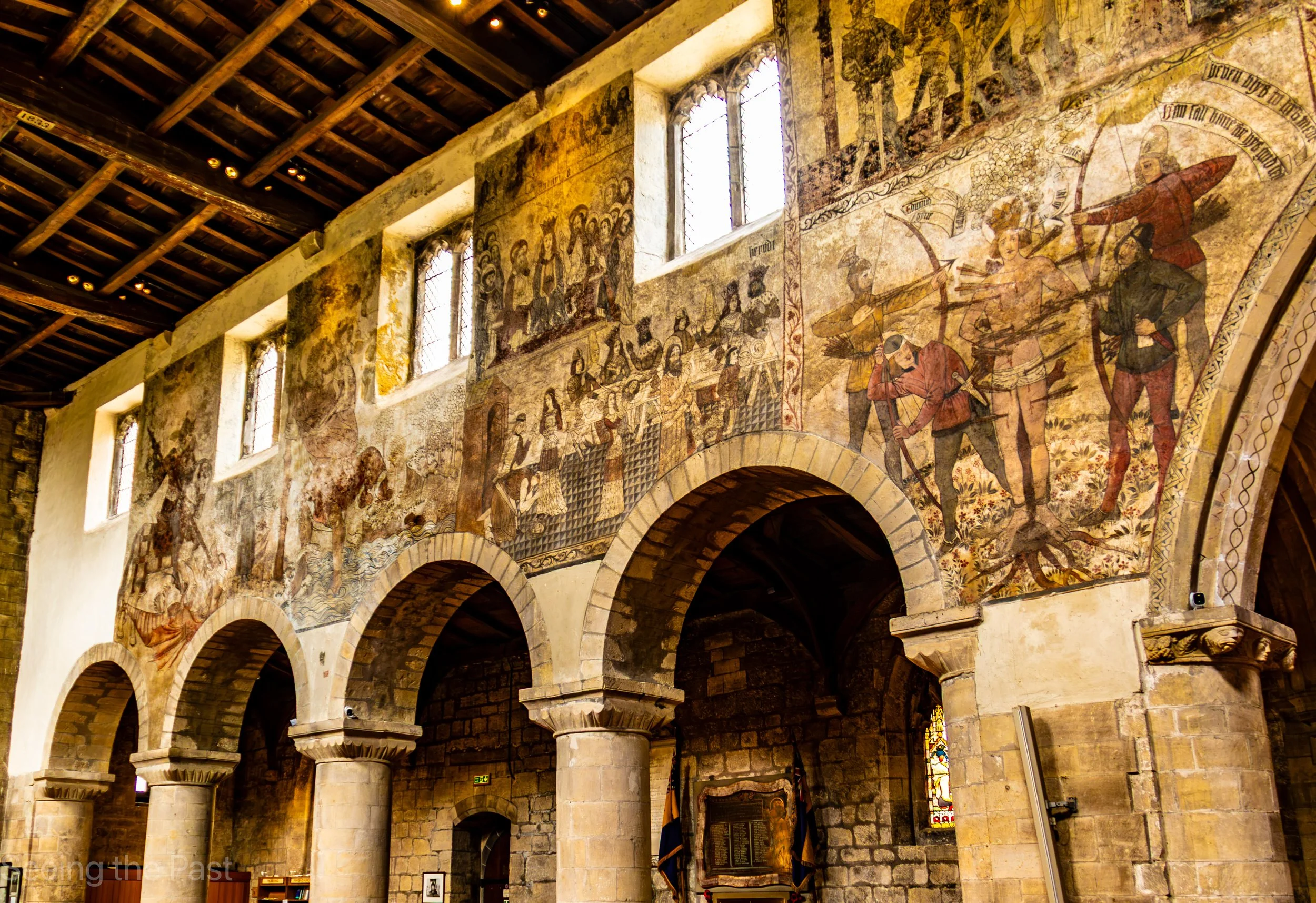
Ruins with a story to tell, Coventry Cathedral and the nearby secret medieval world to discover.

A day’s wandering around this area of Coventry will present you with hundreds of years of history to discover. You will be able to visit the ruins of the 14th and 15th century church of St Michael that became a cathedral in 1918 as well as the new one next door.. About 160 metres away or a two minute walk, is Holy Trinity church with its amazing Medieval “Doom Painting” which some people believe is the best one in Britain. One minute away, is the wonderful and free Herbert Art Gallery and Museum.

Read more →
Cover photo.jpg
Kenilworth Castle; from Medieval Fortifications to Tudor Palace and John of Gaunt to an Elizabethan love story.

As you wander around Kenilworth Castle it morphs from Medieval Fortifications to Tudor Palace and its story features John of Gaunt of medieval times to an Elizabethan love story involving Robert Dudley, aka the Earl of Leicester and Queen Elizabeth I. The castle was involved in the longest siege in English history and is an amazing place to explore. It features a huge square keep, the ruins of a medieval palace , Queen Elizabeth’s apartments and a reconstructed ornate garden created out of love for her.

Read more →
Cover 5.jpg
Prepared to be amazed at the Machu Picchu and the Golden Empires of Peru travelling exhibition and the unforgettable VR experience travelling around and above this bucket list place.

This stunning, travelling exhibition has been to Florida, Milan, Paris and is now in Sydney until February 256th 2025. It should soon be coming to a place near you and should not be missed. I went to see it at the Australian Museum and marvelled at 130 artefacts, amazing golden funeral regalia, and numerous pieces of pottery illustrating the story of Ai Paec who “saved the world”. As an extra to this exhibition there is a breath taking VR experience of Machu Picchu.

Read more →


No results found

Powered by Squarespace.