
Want to learn more about either World War One or World War Two?
Then you must visit The Imperial War Museum which ranks as one of the best war museums in the world. It is free to enter and see the permanent galleries with a small charge for some of the special exhibitions that are organised from time to time. Get a bit closer to what it was like to fight in 1916 by walking through a recreated trench whilst having a Sopwith Camel biplane swooping overhead.In this gallery alone there are 1300 objects give you a greater impression and understanding of the horrors of this conflict. You can explore key moments of the Second World War in the Turning Points gallery and uncover great stories of bravery such as that of Odette Sansom who worked undercover for the “Special Operations Executive in Nazi occupied France. Every summer numerous family activities are put on which involve hands on activities, actors and story telling.
What else does London have to offer?
How about visiting visit the Churchill War rooms and exploring his top secret underground headquarters.
Have you ever been on a battleship?
Alongside the famous Tower Bridge you are invited to climb aboard HMS Belfast. With all 9 decks of this World War Two battleship open to the public, a great time can be had from taking the helm in the captain’s chair to going 15 feet below sea level in the engine room.
Have you ever seen a Spitfire or been in a Lancaster?
The RAF and Battle of Britain Museum at Hendon should be on the list for those who want to investigate the history of air power from world War One, through the Battle of Britain in World War Two to the fighter planes of the Cold war.
Using the latest VR technology combined with a physical recreation of the interior of a Lancaster bomber you can now be on the famous Dambusters Raid.
Here you will find fun for the whole family in flight simulators which offer thrilling Red Arrows and Eurofighter flights. This museum boasts, “if you have ever wondered what it actually feels to soar amongst the clouds, you can now experience all the thrills and exhilaration by entering the 4D theatre”.An experience that combines 3D computer animation with “dynamic seating” and special environmental effects.
For children aged of 3 -8 specially created backpacks can be loaned free of charge, “to introduce children through play and exploration to the subjects of science, technology, engineering and maths!
Where can I go outside of London to discover more about World War Two?
Linked to the Imperial War Museum in London is its museum in Duxford. Five hangers house a whole range of aircraft from the supersonic Concorde, the iconic Lancaster Bomber, Battle of Britain Hurricane and Spitfire. At least twice a year your experience can be enhanced by attending an airshow at Duxford where historic aircraft take to the air.
See the fastest ever plane
A whole hanger at Duxford is devoted to American air power and includes the only Lockheed SR-71 Blackbird outside of the USA. This plane was capable of cruising over three times the speed of sound. You can walk underneath the massive B52 Bomber and get up close to World War Two planes such as the P51 Mustang.
More posts on the Second World War

The German cemetery at La Cambe is a stark contrast to the American Cemetery at Colleville and the British Cemetery at Bayeux. Both are nearby and all three are well worth a visit. It is much smaller than Colleville, being 16.5 acres compared to Colleville’s 172.5 but contains 21 222 soldiers whilst Colleville has 9380 servicemen. However, what stands out the most is that Colleville allocates one white cross per soldier, Bayeux has one quite large white/beige headstone per soldier, whereas, La Cambe has two bodies per stone. Furthermore, each stone is small, flat on the ground and is grey in colour.

When planning the D Day invasion, it was imperative to take out the the six 155mm guns at the top of Pointe Du Hoc. These massive guns were 4 miles (6.5) km) from the centre of Omaha Beach and 7 miles (11km) from Utah beach . They had a range of 15 miles (25km) and so both of the American landing beaches were easily within their range. This post is about the incredible bravery of the Rangers in climbing 100 feet cliffs, whilst under attack and successfully taking out the various gun emplacements at the top. However, the expected six large guns had disappeared!

The Airborne Museum, focusing on the daring D Day Operations of the 82nd and 101st Airborne Divisions, is an exciting place to visit. To many visitors, especially young people, this museum is nothing short of awesome. It boasts being immersive and lives up to that description. Each entrant is given a Histopad, like an iPad to use to enhance their visit and to satisfy their enquiring minds. There are numerous full size dioramas as well as parachutes to wear , planes with paratroopers to walk through, imaginary jumps to make and loads of artefacts to study.

Combine a visit to the church of St Mere Eglise with a visit to the amazing Airborne Museum next door and you will have an enjoyable day out. Anyone who goes past this church without knowing the story of John Steele will think a parachutist snagged on a church tower is very peculiar. It commemorates his terrible mishap when he was parachuting into the German held Cherbourg peninsula on D Day. Steele was meant to land just outside St Mere Eglise but his pilot was inexperienced and visibility was difficult due to extensive cloud cover. Steele was dropped right above the village and unfortunately, he was to snag his parachute on a pinnacle of the church.

Anyone with an interest in the D Day Landings should definitely visit the gun battery at Longues Sur Mer. The shear size of the casements and their guns suggest that they were untouchable. One gets the feeling that any shell coming out of their barrels would go a long way and do an awful lot of damage. Several attempts were made to put them out of action before they finally succumbed to naval bombardment on D Day. They could have made the successful D- Day Landings into a total disaster.

The Overlord Museum is particularly good when combined with the American Military Cemetery at Colleville and an excursion onto Omaha Beach. It has loads of fascinating exhibits from the Omaha landings and has some particularly impressive large dioramas. People of all ages will enjoy this museum, including children although people who have studied this period of history in depth may require a little extra information of some of the smaller exhibits.

A visit to the Pegasus Bridge Memorial Museum is a must for anyone wanting to discover the major D Day events. With the D Day seaborne invasion planned for daybreak of the 6th June, there needed to be protection of both the left and right flanks and this was to be done by three airborne divisions just after midnight. Guarding the right flank in the Cotentin Peninsula (as seen from the sea) was the responsibility of the 82nd and 101st, Airborne Divisions, totalling 13,000 troops. The left flank, principally, the area around the Caen Canal and the River Dives, was to be the responsibility of the British 6th Airborne Division and Pegasus Bridge was a key target to capture.

Gold Beach was one of five beaches in Normandy for the planned landings. This account tells you what actually happened there on June 6th 1944, D Day. It is a story of heroism and determination to rid France of Nazi tyranny. Any planned attack on Gold Beach was to be faced initially by a whole variety of obstacles and mines that would rupture any landing craft. British troops could be landed at low tide to expose the obstacles but that would mean exposing the landed men to running ashore without any protection against machine gun fire.

Opened on 6th June 2021, the memorial contains the names of 22,442 servicemen and women under British command who died on D Day and in the weeks after D Day to break out of Normandy. It also includes service men and women of 30 other nationalities who were serving in British units. The names of those who died are listed in chronological order, placing each name with the names of others who died on each particular day from D Day until August 31st. Using the free App that accompanies the memorial reveals some fascinating stories of very courageous people.

Find out about Mulberry harbour B, a remarkable engineering feat of the Allies that enabled them to consolidate their foothold in Normandy. In the Arromanches museum you can discover all about that the harbour as well as other aspects of the D Day landings. It was an extraordinary accomplishment to build a prefabricated harbour, tow it across the English Channel and place it where one never existed before. Added to that, it had to withstand numerous natural difficulties such as the waves and the tides as well as German attacks. Then go up to the cliffs overlooking Arromanches to see the remains of a mulberry harbour and visit the 360 Circular Cinema to see a film on the D Day landings and the battle for Normandy.
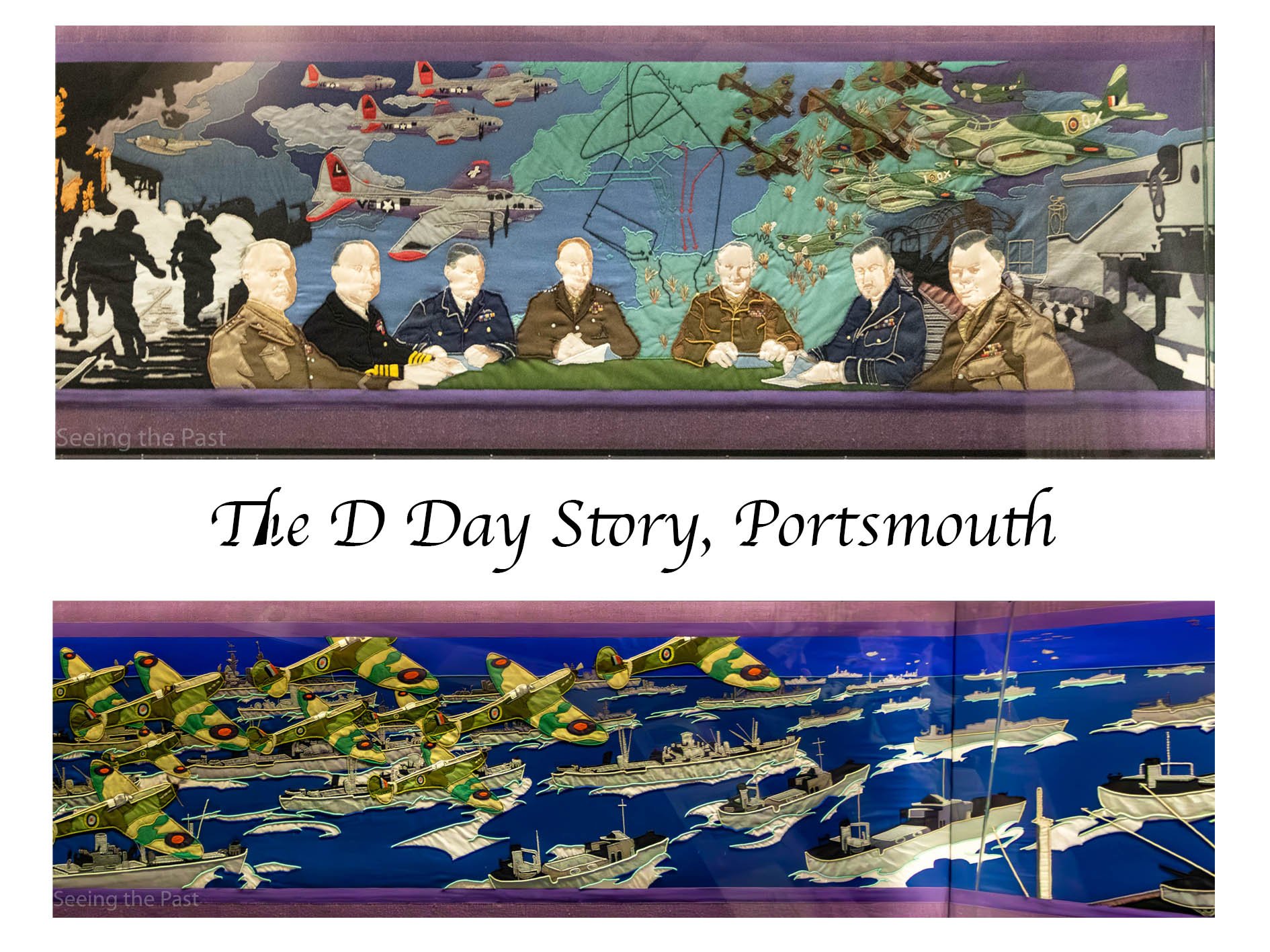
The D Day Story in Portsmouth: A Journey into History
Visiting the D Day Story in Portsmouth is an experience that should not be missed. It offers a unique opportunity to delve into the pivotal events of World War II and gain a deeper understanding of the Normandy landings. Firstly, the museum houses an impressive collection of artifacts and exhibits that bring the history to life, allowing visitors to see and touch items used during the D Day operations. From uniforms and weaponry to personal belongings and diaries, these tangible pieces of history create a profound connection with the past. Secondly, the museum provides a comprehensive narrative, guiding visitors through the planning, execution, and aftermath of the landings. The informative displays, interactive exhibits, and audiovisual presentations offer a multi-sensory experience, immersing visitors in the sheer scale and bravery of the operation.The opportunity to walk along the seafront, imagining the battleships on the horizon and the intensity of the momentous day, adds an extra layer to the visit.

This blog answers the question, “Why was D Day significant ?” It also deals with several questions including what happened on that day. It highlights artefacts and displays in various museums in France and the D Day Story in Portsmouth. By 1944, all across Europe, people’s former freedoms were now denied them and Jews were rounded up to be executed in the “Holocaust”. The Nazis needed to be removed from all occupied areas and freedom restored. D Day in June 1944 was one of the events that turned the tide on German expansion. Invading France was no easy operation. In 1942, the British and Canadians had attempted an invasion of Dieppe which resulted in an embarrassing disaster. Far resources of all kinds were needed for a successful invasion. The coastal defences would have to be bombarded from the air and sea with a vast array of planes and ships. More planes would be needed to guarantee air superiority to allow troops to be landed unhindered. Numerous vehicles and contraptions would have to be invented and manufactured to clear away all of the beach devices to allow the men to land and have a clear way to getting ashore.

The Second World War has several events that are widely known that made it a global conflict - the attack on Pearl Harbor, the Battle of Stalingrad, D-Day and Okinawa to name a few, but it wasn’t until I emigrated to Australia that I learned that the Second World War even touched the Land Down Under. The Bombings of Darwin are the largest attacks by a foreign power on Australia and it not only had a lasting impact on the city of Darwin, but it transformed Australian foreign policy forever. As the USA had declared war on Japan in 1941 after the bombings of Pearl Harbour, the American craft based in Darwin posed a potential threat to the Japanese empire. The bombing of Darwin was seen as a way of taking Timor, showing it’s domination to Australia and taking out America planes and ships.

The Battle of Britain memorial is “dedicated to the heroic and selfless deeds of the men who fought the Battle of Britain, 10 July to 31 October, 1940. It is cited on the famous White Cliffs of Dover and offers superb views across the Channel to France. Much of the fighting took place in the skies above this very area and so its location is very apposite. The actual memorial is an evocative statue of a Battle of Britain pilot who sits in the centre of a giant propeller. There are also life size spitfire and hurricane replicas, a wall of remembrance and “The Wing” in which visitors can take part in an interactive presentation, “The Scramble Experience”. The jacket that the pilot is wearing, intentionally, has no badges to signify nationality or rank signifying that pilots from Britain were accompanied by nationals from all over the British Empire and even Europe. Of significant importance were 145 airmen from Poland, many of whom were based at RAF Northolt in London.

If you only have time to see one castle, then Dover is the one to see. Eighteen hundred years of history is something to boast about. A visit to Dover Castle is a day worth spent and will leave an everlasting impression on you. If you love history, you will love this place. It has it all. It is only 21 miles from France and has long been considered to be the gateway to England. If Dover fell, then the rest of the country would be wide open for conquest. It is a brilliant example of a medieval castle but it also has a complex of underground tunnels that during the second World War, was where the evacuation of Dunkirk was masterminded. You can also go back in time and see amazing sections of the “Great Tower” set out in the style of Henry II’s court.

A pictorial guide to the causes of World War 2 and the Battle of Britain for young people. A fun, conversation guide that takes you through all you need to know about the reasons for the start of the Second World War for kids.

The nerve centre of the operation to save Britain from Nazi conquest in 1940. The Battle of Britain, why so much was owed to so few by so many. Spitfire and Hurricane heroes saved Britain and it all centred here.

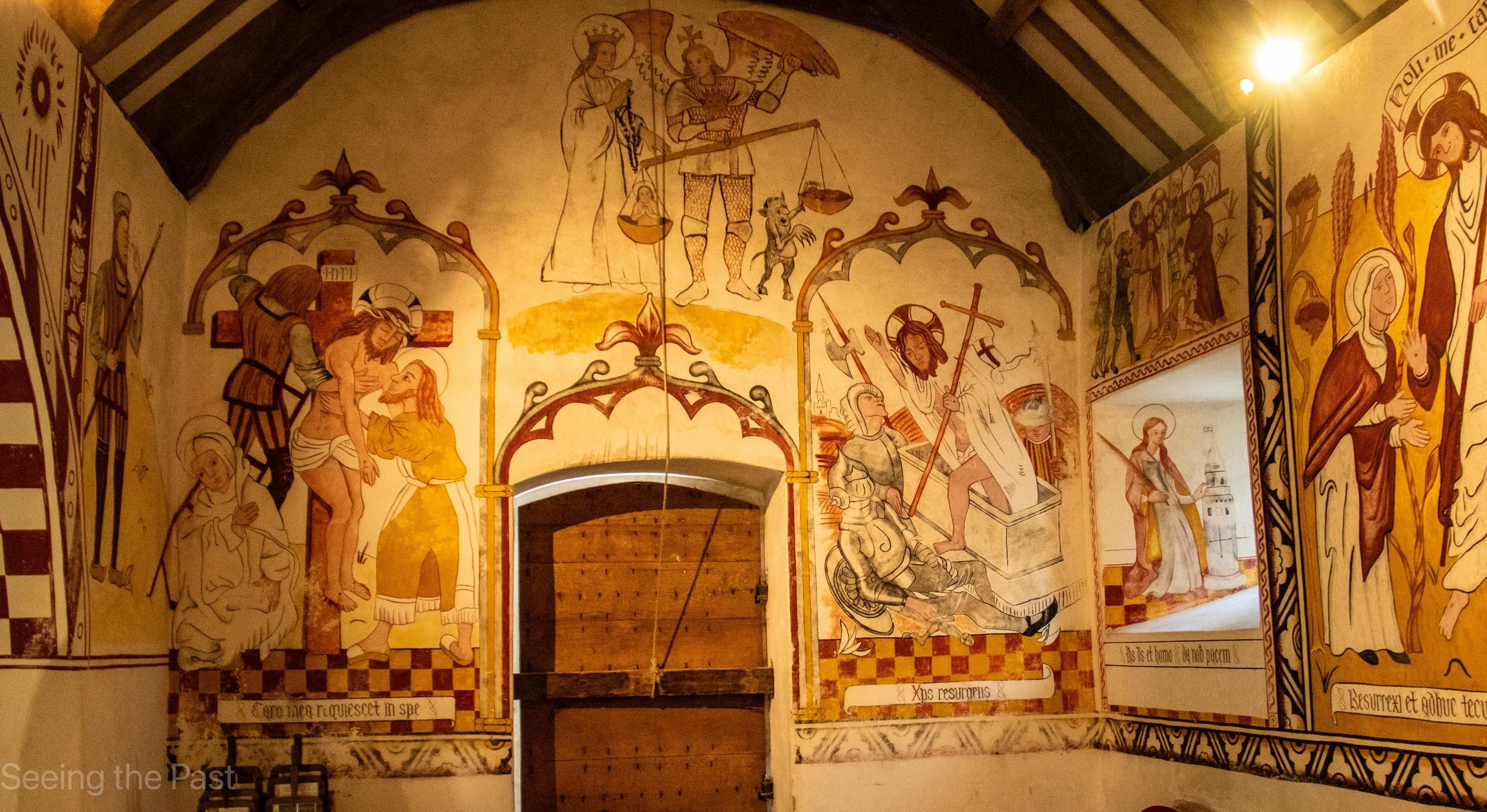
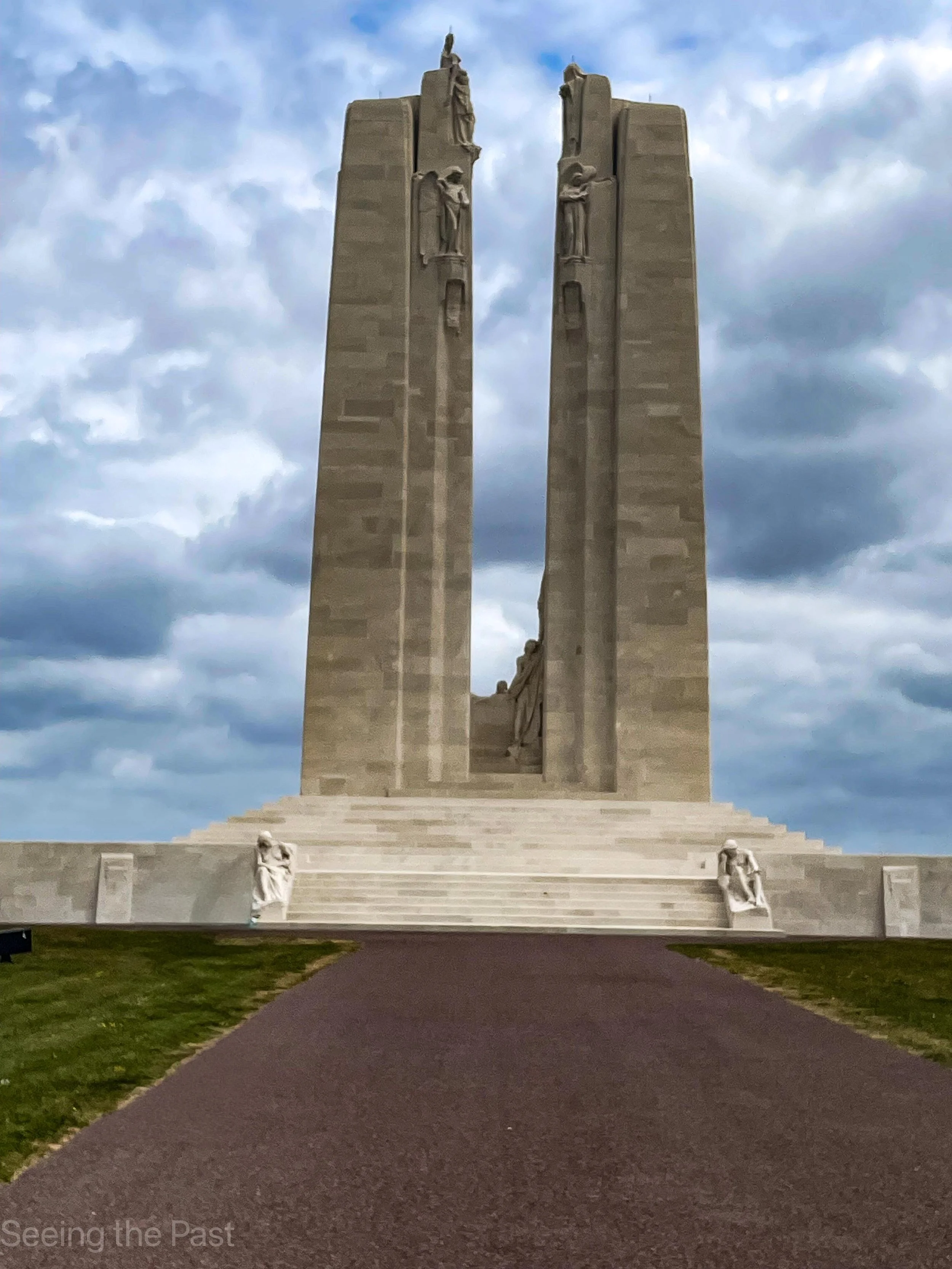
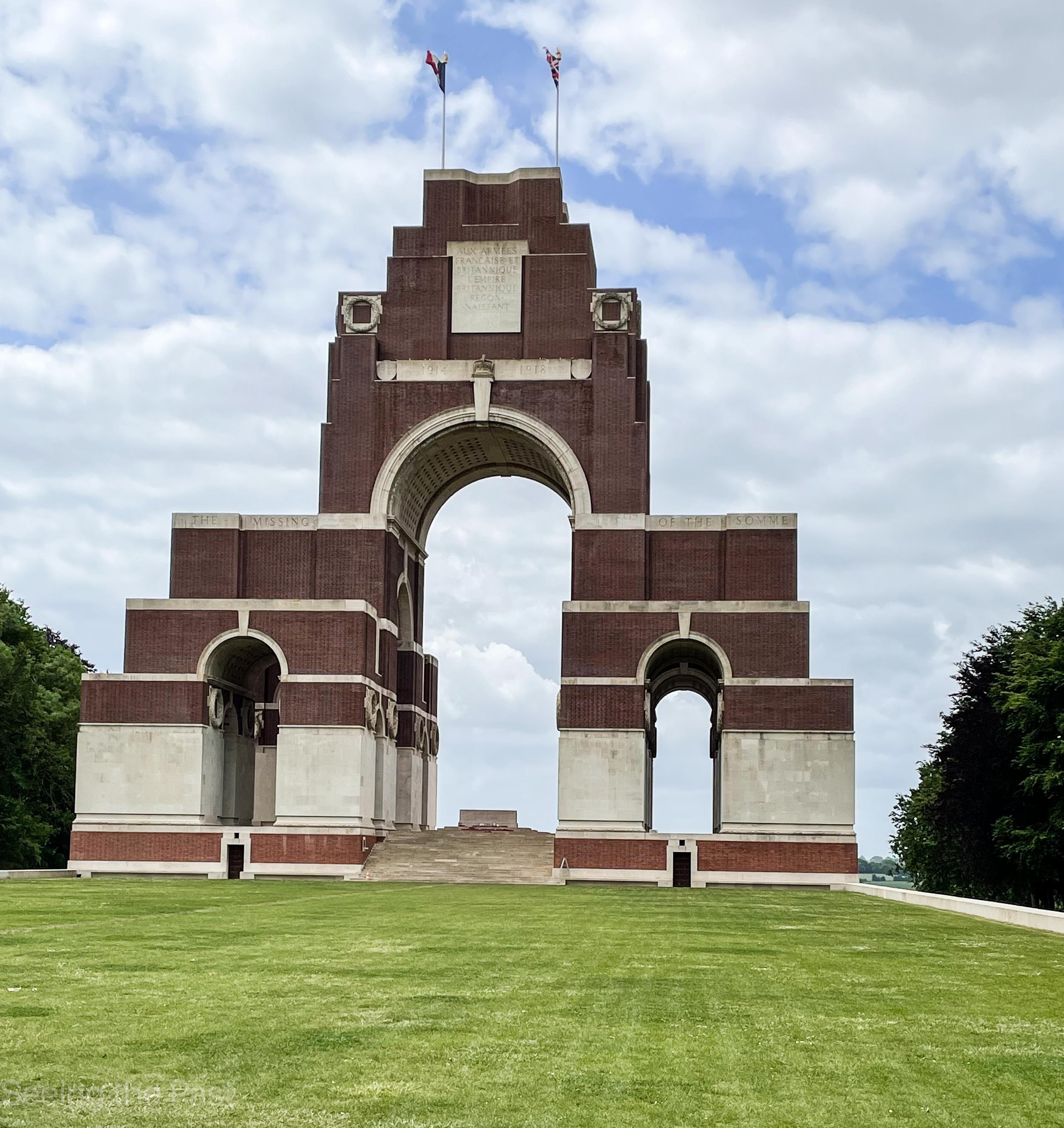
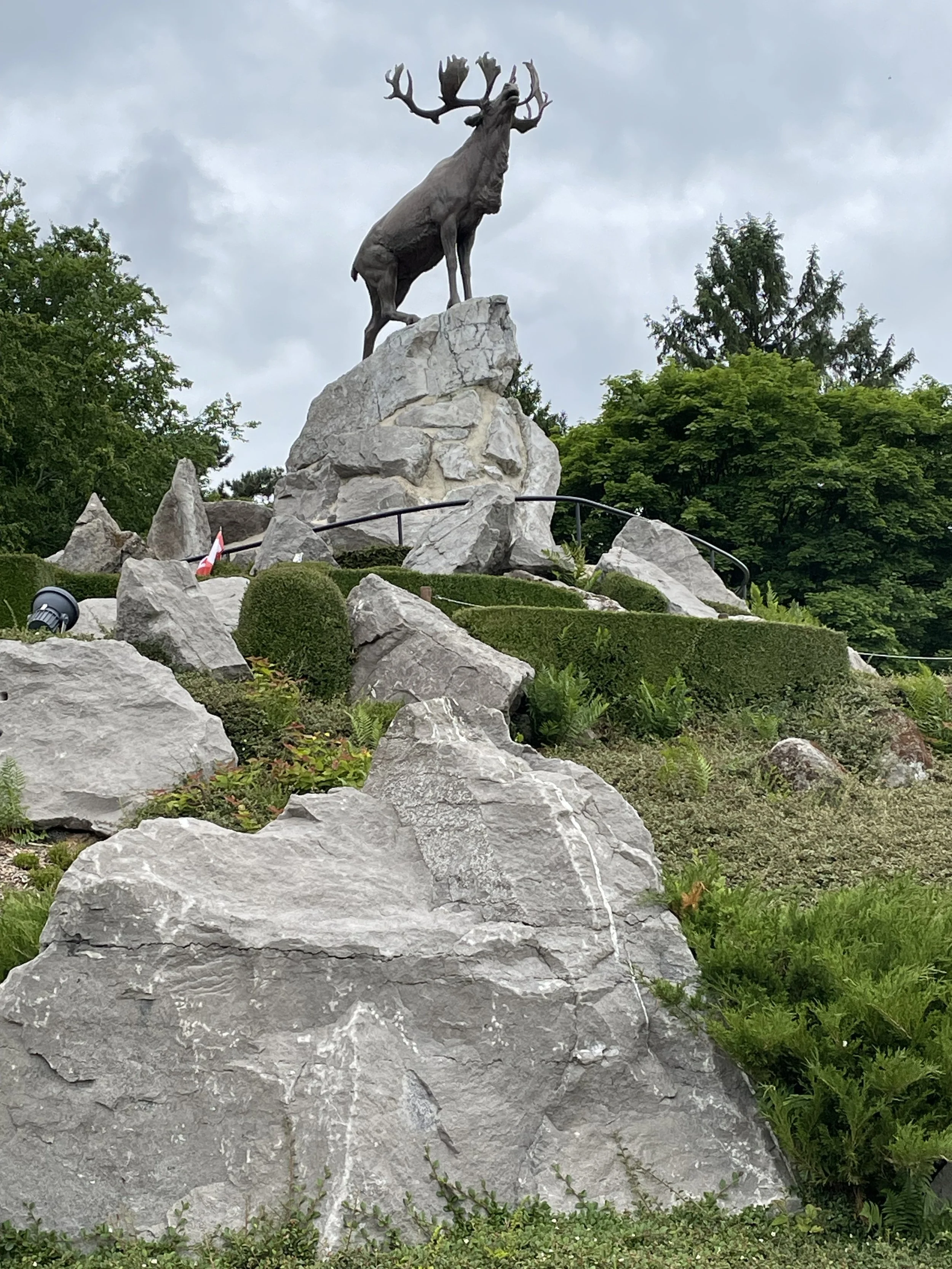

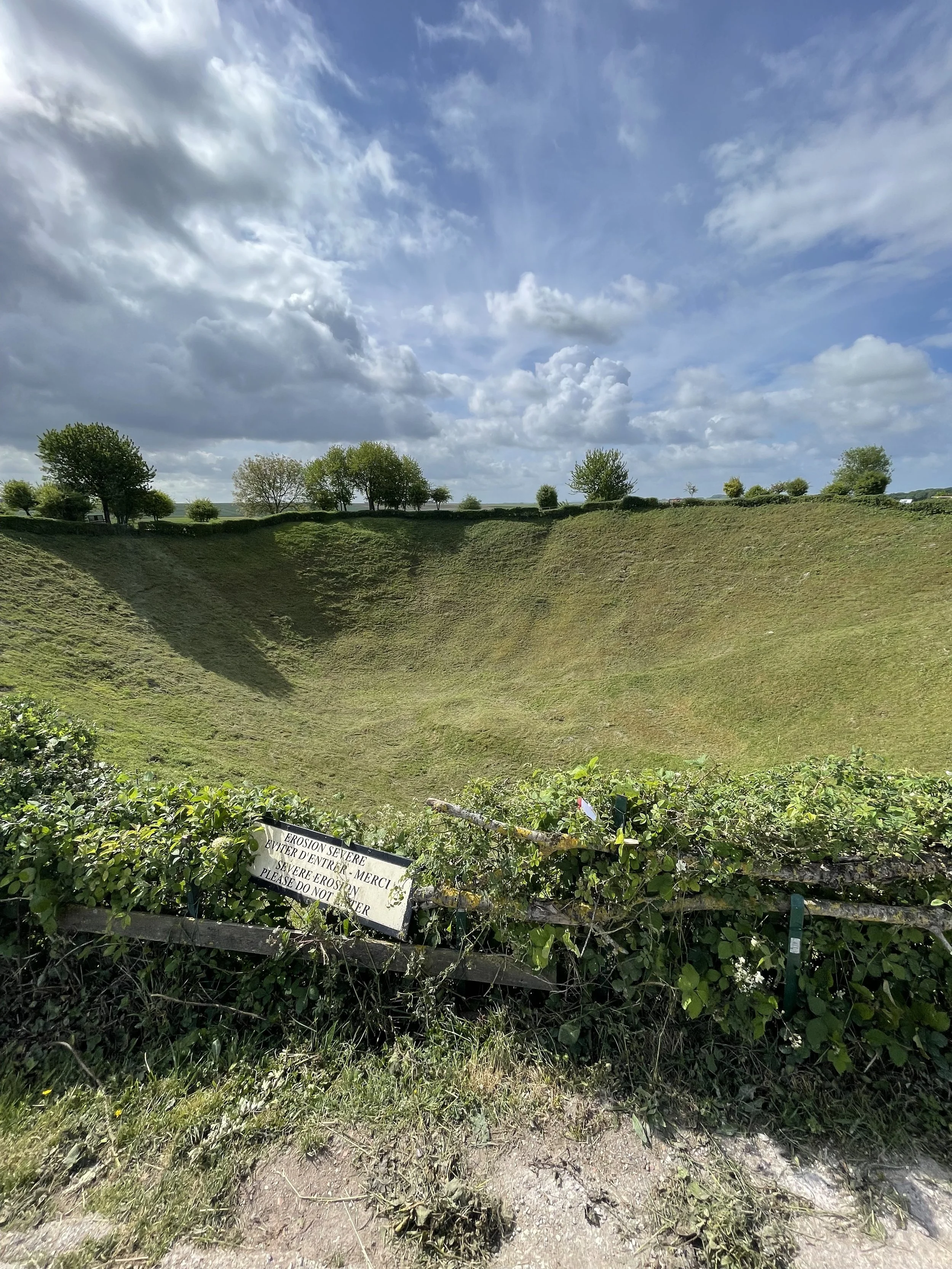
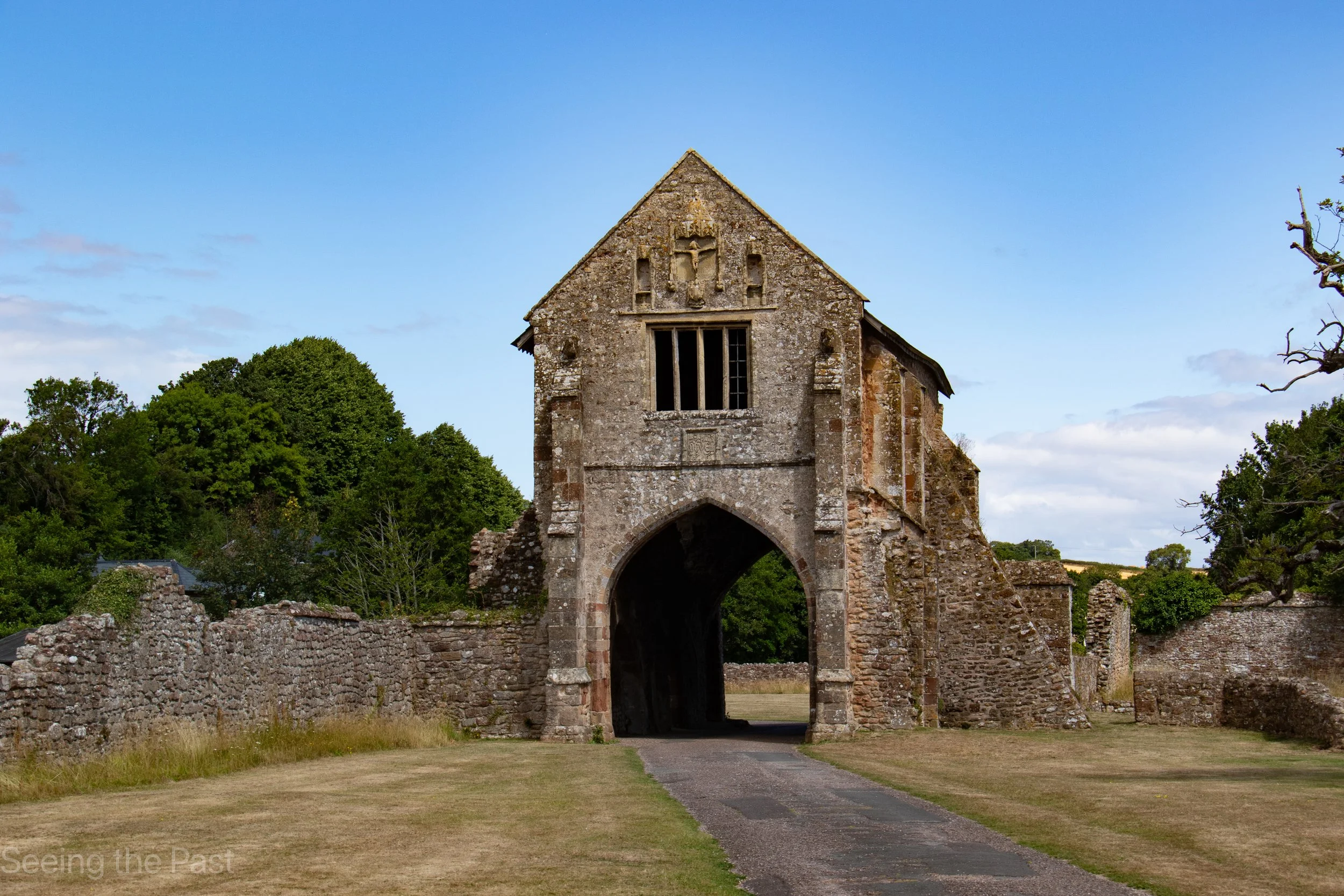



Completed in 1952 and maintained by the Commonwealth War Graves Commission, this peaceful cemetery is the last resting place for 4144 named Commonwealth (the UK and former British Empire) soldiers and 338 unidentified ones. Added to this, are 500 graves of soldiers from other countries, the majority being German. It is a fascinating place to visit and observe all the different headstones and some of the stories they tell. The cemetery provides a solemn and peaceful atmosphere, with meticulously maintained rows of white headstones bearing the names of those who fell in the line of duty.