
Understanding Sacrifice: An Educational Experience at Vimy Ridge
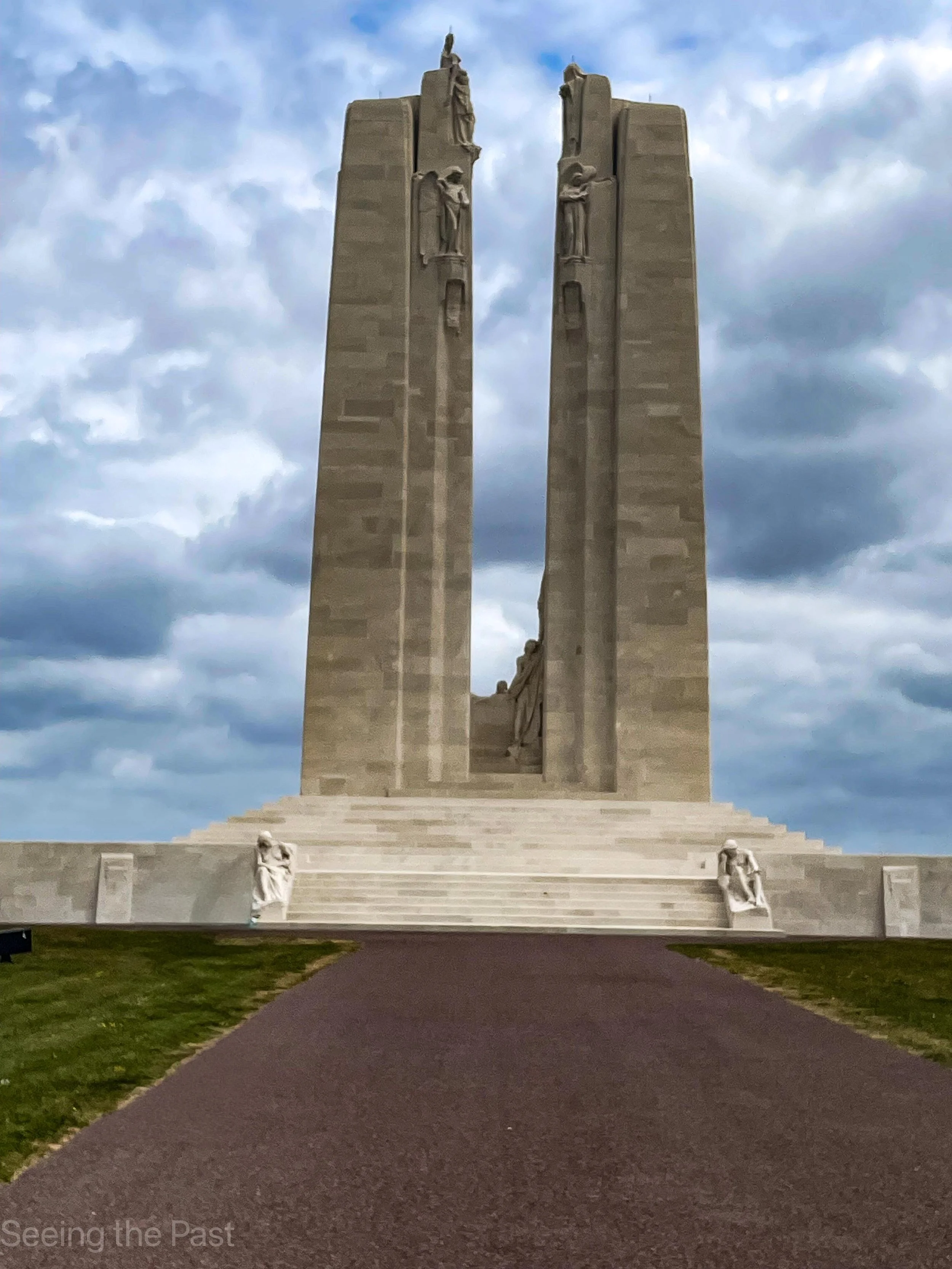
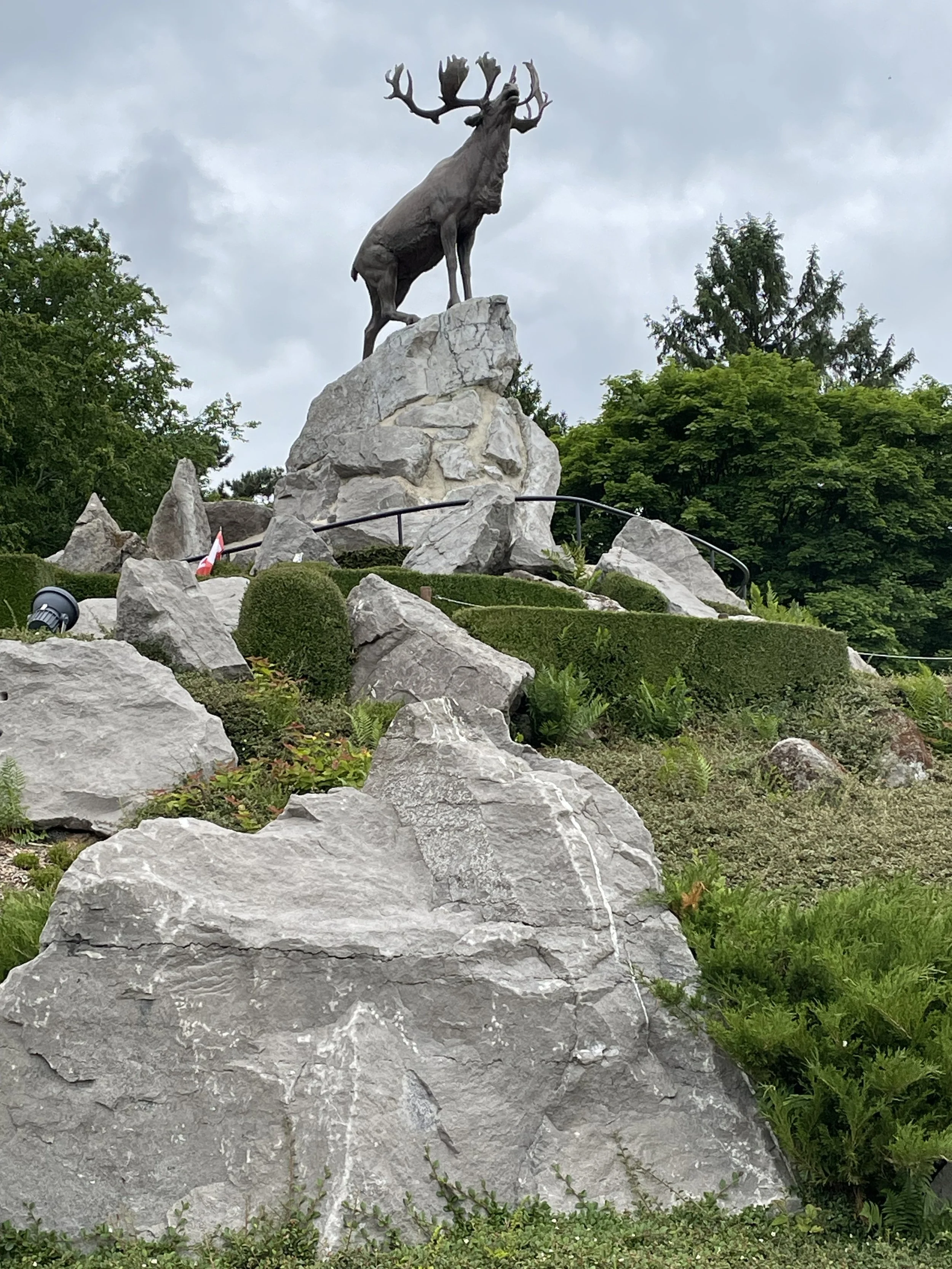
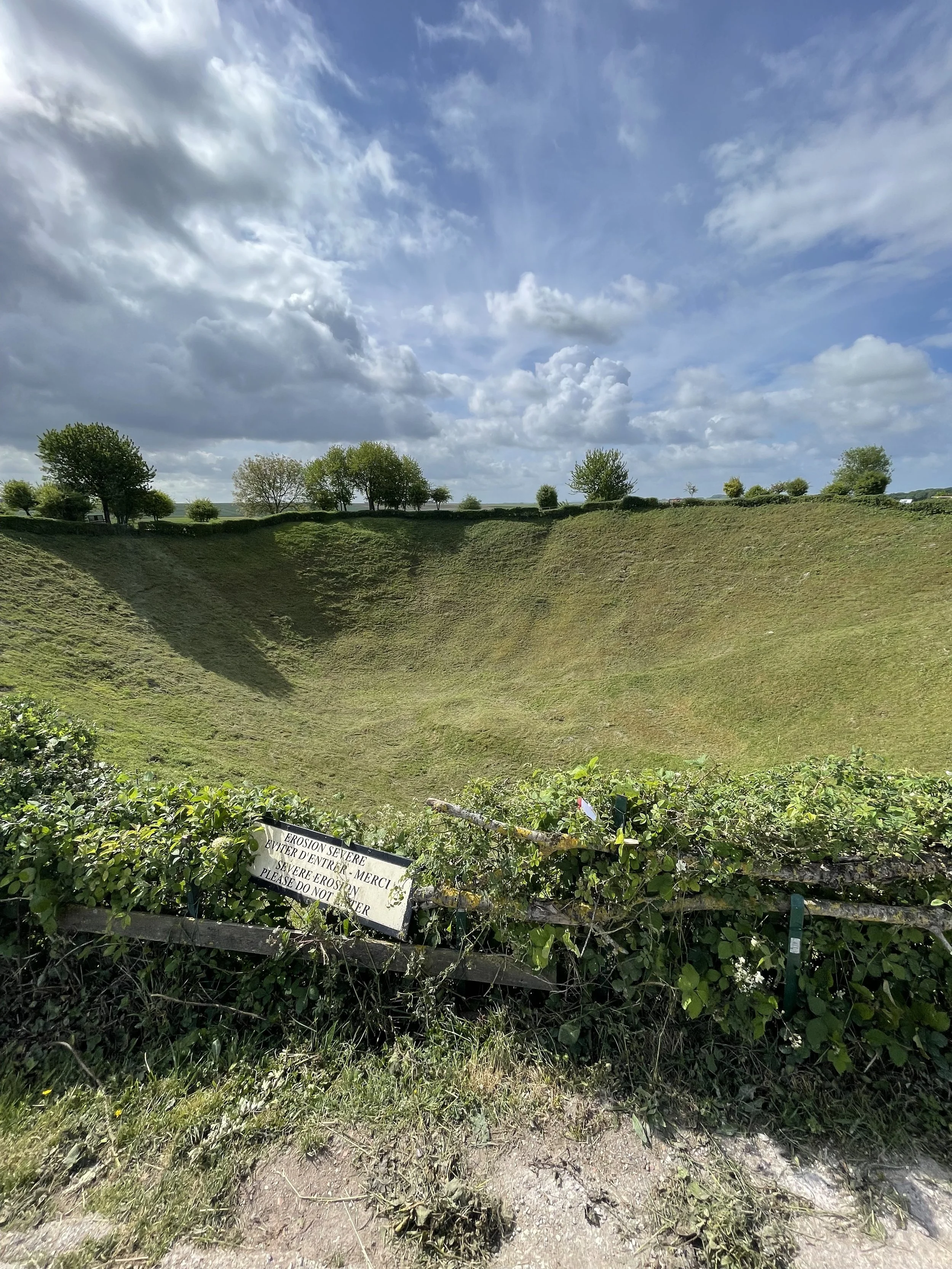
/Stepping onto the grounds of Vimy Ridge is to step directly into one of the most defining moments in Canadian military history. As we walked through the remarkably preserved trenches, wandering past numerous bomb craters and stood beneath the soaring limestone pillars of the Canadian National Vimy Memorial, the story of the 1917 battle came vividly to life. It was here, during the First World War, that the four divisions of the Canadian Corps fought together for the first time and achieved a hard-won victory against formidable German defences—a success earned through meticulous planning, innovation, and immense sacrifice. So many craters can only be explained by massive artillery bombardments from both sides and what readily can be described as “Hell on earth”.
Read More

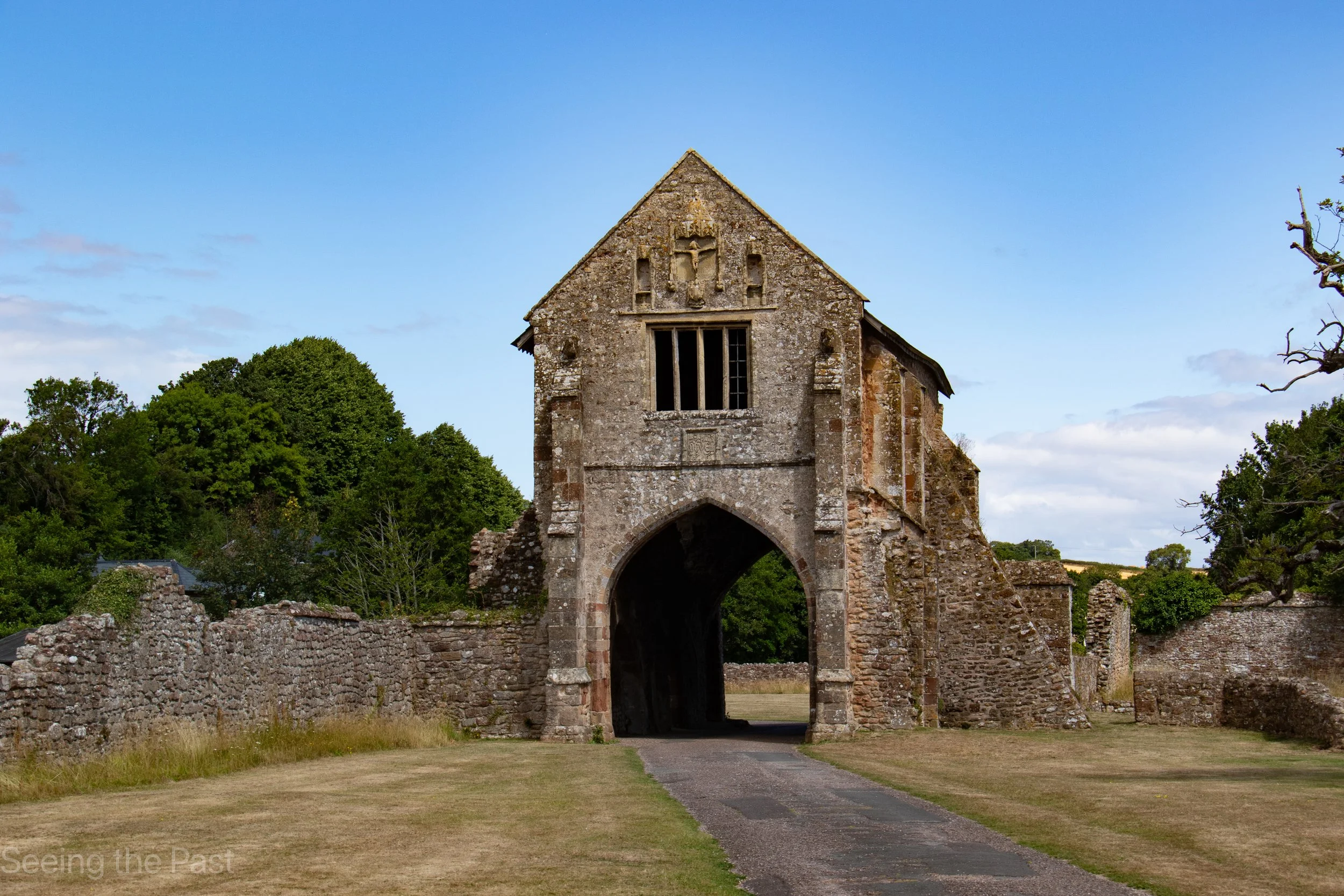

Tucked away in Isle of Portland in Dorset, the Castleton D Day Centre offers a powerful and immersive window into one of the most significant moments of the Second World War. Far from being a traditional “look but don’t touch” museum, the centre invites visitors to step closer to history — with a remarkable collection of authentic artefacts that can be touched, held, and even sat on, bringing the realities of the D-Day era vividly to life. Added to this are several friendly volunteers dressed in period outfits who have a vast amount of knowledge of those artefacts and are able to answer questions.